

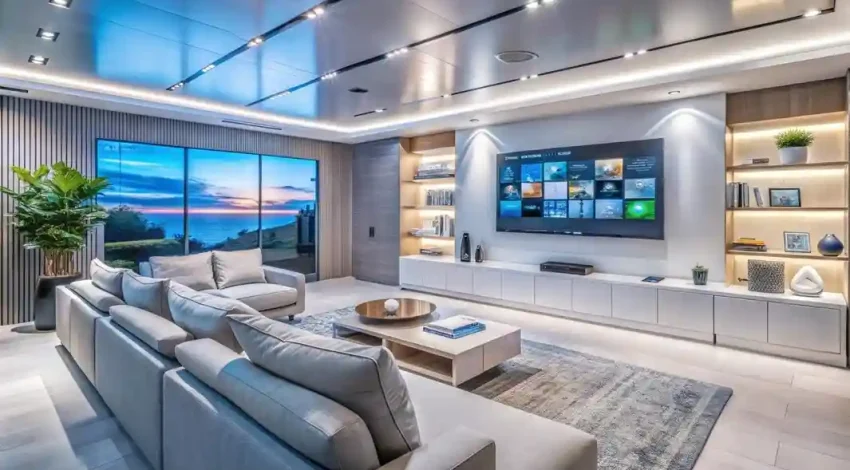
Creating a premium entertainment experience at home has become a priority for many homeowners. Streaming services, gaming platforms, and high-definition content have turned the way people enjoy entertainment.
Instead of visiting a cinema, many families now prefer watching their favorite movies and shows from the comfort of their own living spaces. However, choosing the right entertainment setup involves more than purchasing a large television and a few speakers.
Focusing on a few key considerations can simplify the decision-making process and help identify the most suitable home theater system. Read on
Room Size and Design
One of the most overlooked factors when selecting an entertainment system is the room itself. The size, shape, and design of a room directly affect both audio and visual performance.
A large room requires a different home theater system than a smaller space. For example, a display that looks impressive in a bedroom may appear too small in a spacious family room.
Similarly, speaker placement can significantly impact sound quality. Large rooms often require additional speakers or more powerful equipment to deliver consistent audio throughout the space. Furniture placement also matters. Seating positions influence viewing angles and listening experiences.
Audio Quality and Speaker Configuration
While many buyers focus heavily on picture quality, sound plays an equally important role. In fact, poor audio can diminish the enjoyment of even the most visually impressive content. Dialogue clarity, bass performance, surround effects, and overall sound balance contribute significantly to immersion.
Speaker configuration should align with room size and viewing preferences. Some homeowners prefer simple systems that provide enhanced audio without requiring extensive installation. Others seek fully immersive surround sound arrangements that create a cinematic atmosphere.
The placement of speakers is just as important as their quality. Proper positioning allows sound to move naturally throughout the room, making action sequences feel realistic and conversations easier to understand.
Display Technology and Screen Size
The display serves as the centerpiece of any entertainment system. Selecting the right screen involves more than choosing the largest option available. Screen size should correspond to viewing distance. A small display may reduce immersion, while one that is too large can become uncomfortable to watch.
Picture quality is another important factor. Modern display technologies offer excellent brightness, contrast, color accuracy, and motion handling. These features contribute to a more realistic and engaging image.
Connectivity and Smart Features
Modern entertainment systems serve as central hubs for multiple devices. Streaming platforms, gaming consoles, media players, sound systems, and smart home products frequently connect to a single setup.
Because of this, connectivity deserves careful attention. Adequate connection options allow devices to work together seamlessly and reduce future compatibility issues.
Smart functionality can also improve the overall experience. Voice controls, automatic updates, and integrated streaming services simplify daily use. However, convenience should not come at the expense of reliability. Buyers should prioritize systems that offer dependable performance.
Budget and Long-Term Value
Every entertainment project begins with a budget. While it may be tempting to focus solely on price, long-term value provides a better measure of a good purchase.
The cheapest option may require upgrades or replacement sooner than expected. Conversely, the most expensive system may include features that are rarely used. A balanced approach focuses on performance, durability, and future needs.

