

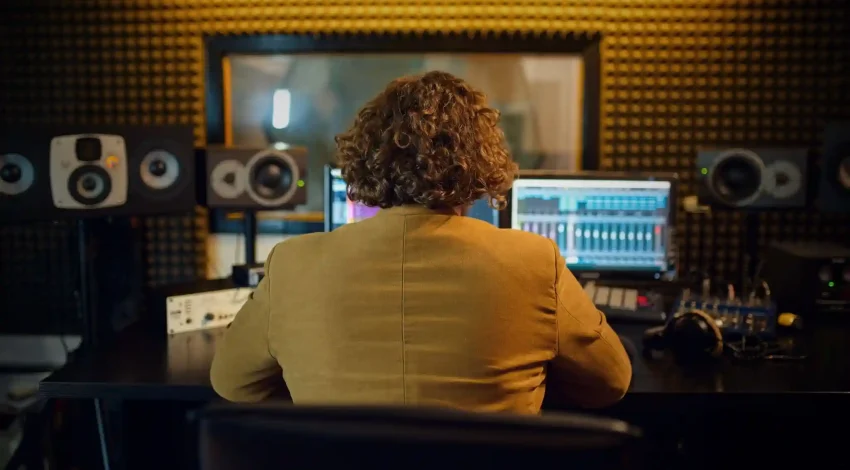
Creating a “wall of sound” is one of the most exciting goals in music production. Whether you’re crafting cinematic scores, EDM drops, rock anthems, or explosive pop choruses, the wall of sound effects makes your track feel big, intense, and emotionally overwhelming. It fills the entire listening space and creates a sense of immersion that grabs the listener instantly.
But many beginners misunderstand what a wall of sound truly is. They stack dozens of tracks and expect instant fullness, but the result becomes muddy, noisy, and unfocused. Professional producers know that a powerful wall of sound comes from precision and structure, not excess. It is built through careful layering, frequency separation, dynamic shaping, and spatial control.
This guide breaks down every essential technique you need to create a massive, clear, wide, and impactful wall of sound. Whether you’re producing electronic music, rock, metal, pop, or cinematic tracks, these tips will help you craft layers that feel larger than life.
What Exactly Is a “Wall of Sound”?
A wall of sound is a dense, layered, harmonically rich and texturally full arrangement that surrounds the listener. It is powerful but not muddy. Loud but not distorted. It fills:
-
the stereo field
-
the frequency spectrum
-
the emotional space
Producers achieve this through smart layering, spatial effects, harmonics, and controlled chaos.
1. Build From a Strong, Clean Foundation
The wall of sound begins with a clear anchor. This could be:
-
a lead synth
-
a guitar chord stack
-
a powerful pad
-
a strong bass layer
-
a main chord progression
Your foundation determines how the rest of your layers fit.
Rules for Foundations:
-
keep the base layer clean
-
avoid too much processing at first
-
ensure it has a stable frequency shape
-
use it as the spine of your wall
Think of your foundation as the root of a tree, everything grows from it.
2. Layer Broad Frequency Bands Carefully
A powerful wall of sound requires full-spectrum coverage.
Divide your mix conceptually into:
-
sub
-
low bass
-
low-mid warmth
-
midrange body
-
upper mids presence
-
high-end shimmer
-
air frequencies
Each layer should reinforce one of these areas without overwhelming others.
Pro tip:
Use EQ to carve space. A thick wall of sound is never accidental, it’s sculpted.
3. Create Wide Stereo Images Without Losing Focus
Stereo width is essential for a wall of sound. But it must be balanced.
Center elements (mono):
-
kick
-
bass
-
main vocal
-
core rhythm elements
Wide elements:
-
doubled guitars
-
stereo synths
-
reverb pads
-
atmospheric textures
-
side-chained layers
Techniques for width:
-
panned doubles
-
stereo delays
-
mid–side processing
-
chorus and widening plugins
-
slight pitch detuning
A wall of sound should feel wide, not messy.
4. Combine Different Timbral Textures
Texture stacking adds massive depth.
Mix contrasting textures such as:
-
analog warmth with digital clarity
-
gritty distortion with smooth pads
-
sharp plucks with soft sustained tones
-
bright layers with dark resonant tones
Each texture fills a sonic “shape,” contributing to the wall.
Avoid:
Stacking too many similar sounds, they cancel out or blur.
5. Use Layered Harmonics for Density
Harmonics make layers sound big without increasing volume.
Try:
-
saturation
-
gentle overdrive
-
parallel distortion
-
harmonic exciters
-
layering higher-octave duplicates
This adds energy in a controllable way.
6. Use Chord Voicing Techniques for Thickness
How you structure your chords directly affects weight.
Try these voicings:
-
octave doubling
-
wide chord spreads
-
layered triads and sevenths
-
stacked fifths
-
parallel intervals
Wide voicings make your mix feel huge, especially for pads and guitars.
7. Control Transients to Prevent Clutter
If every layer has strong transients, chaos follows.
Transient shaping tips:
-
give attack to only a few key layers
-
soften transients on background pads
-
control spikes on distorted layers
-
use transient shapers for clarity
This creates definition without overload.
8. Use Reverb and Delay as Passive Layers
Reverb and delay contribute to your wall, even if they’re not obvious.
Use them to:
-
create space behind main layers
-
fill empty high-frequency areas
-
blend textures smoothly
-
soften harsh edges
But keep the returns controlled, too much creates fog instead of fullness.
9. Stack Multiple Layers With Micro-Variations
Professional producers rarely duplicate tracks exactly. They introduce subtle variations to avoid phasing and add width.
Try:
-
different takes
-
slight tuning differences
-
alternate instruments
-
different EQ curves
-
varied attack envelopes
These micro-differences build richer stacks.
10. Parallel Processing for Extra Punch
Parallel channels help build a heavy wall without destroying clarity.
Options:
-
parallel compression
-
parallel distortion
-
parallel reverb
-
parallel saturation
Blend carefully to support the main layer without overpowering it.
11. Blend Noise Layers for Air and Texture
Noise fills the top end of the spectrum, making walls thicker.
Great noise sources:
-
white noise
-
pink noise
-
vinyl crackle
-
shakers or brushed percussion
-
granular textures
Noise layers must be subtle, think of them as air, not the focus.
12. Layer Pads, Strings, or Atmospheres for Emotional Weight
Ambient layers add emotional depth and cinematic fullness.
For atmospheric support:
-
slow-evolving pads
-
granular textures
-
orchestral strings
-
filtered reverb washes
These sit behind major elements to glue them together.
13. Layering for Guitars (Wall-of-Sound Method)
Rock and metal mixers often use:
-
double-tracked left guitar
-
double-tracked right guitar
-
center guitar
-
octave layers
-
high-pass filtered ambience layer
The goal is massive width with tight alignment.
14. Layering for Synths (Electronic Wall-of-Sound)
Electronic producers build walls using:
-
detuned supersaws
-
multiple pad layers
-
textured leads
-
stereo noise
-
sub and mid-bass stacks
Synth-based walls rely heavily on harmonic richness and wide stereo imaging.
15. Bass Layering for Power
To avoid mud, split bass into 3 parts:
-
sub layer (clean sine or sub)
-
mid-bass layer (growl, harmonics)
-
top bass layer (texture, bite)
Blend them neatly with crossovers and EQ.
16. Vocal Layering for Big Choruses
For full vocal walls:
-
main vocal
-
doubled take
-
harmonies
-
octave up
-
octave down
-
whisper layer
-
stereo doubled effects
Pop and rock choruses rely heavily on vocal layering for their impact.
17. Use Automation to Keep the Wall Alive
Walls of sound should move, not stay static.
Automate:
-
volume
-
panning
-
filter cutoff
-
reverb sends
-
delay feedback
Movement keeps the listener engaged.
18. Know When to Pull Back
A wall of sound works best when contrasted with quieter sections.
Use dynamics:
-
softer verses
-
lighter intros
-
minimal breakdowns
This makes the big moment feel bigger.
19. Trust Your Ears and Use Reference Tracks
Professional mixers always reference other productions to guide fullness, balance, and clarity.
Compare:
-
stereo width
-
bass balance
-
midrange structure
-
high-frequency sheen
References help anchor your decisions.
Frequently Asked Questions
1. Do I need many tracks to create a wall of sound?
You don’t need dozens of tracks. Even 6–12 carefully chosen layers can create a huge wall of sound when they occupy different frequencies and have intentional textures. Quality, separation, and balance matter far more than sheer quantity. Over-layering often causes mud instead of power.
2. Why do my layered sounds feel messy instead of massive?
Messiness usually comes from overlapping frequency ranges, too many transients, or similar textures fighting for space. Try EQ carving, reducing attack on background layers, widening only high frequencies, and using fewer but more distinct layers. Clear separation transforms clutter into a clean, powerful wall of sound.
3. How can beginners practice wall-of-sound layering?
Start with one main element — a pad, guitar, or synth — then add layers that fill specific frequency ranges. Use EQ to separate them and experiment with panning, reverb, and texture. Listen critically to what each layer adds. Practicing intentional layering teaches your ear how fullness is built.
4. Should drums be part of a wall of sound?
Drums contribute to the wall but should not be overly stacked. Over-layering drums can cause loss of punch. Instead, build a tight drum foundation and use atmospheric or percussive textures behind them. The rhythmic clarity of drums helps support the wall without drowning it in noise.
Final Thoughts
A powerful wall of sound is not chaos, it is strategic fullness. It combines frequency balance, stereo width, harmonic richness, textural diversity, and dynamic depth. When you learn to layer with intention, your tracks become immersive, emotional, and professionally polished.
Focus on clarity, not quantity. Every sound should serve a purpose. With practice and careful listening, you can build towering sonic landscapes that elevate your music to a new level.
Tags:
Share:

How Scales and Intervals Improve Your Songwriting Skills


